

Your AI Rollout Is a Change Management Project. That Makes It the COO's Job.
Most teams with AI licenses split three ways: a few power users, a lot of email drafters, and everyone who quietly stopped. Here's how a COO closes that gap.

Don't Automate Out the Governance: What a COO and Chief of Staff Keep Human When AI Takes Over a Process
In an AI rollout, the Chief of Staff and COO decide which steps stay human. Here's how to automate a process and keep the approvals that make it trustworthy.
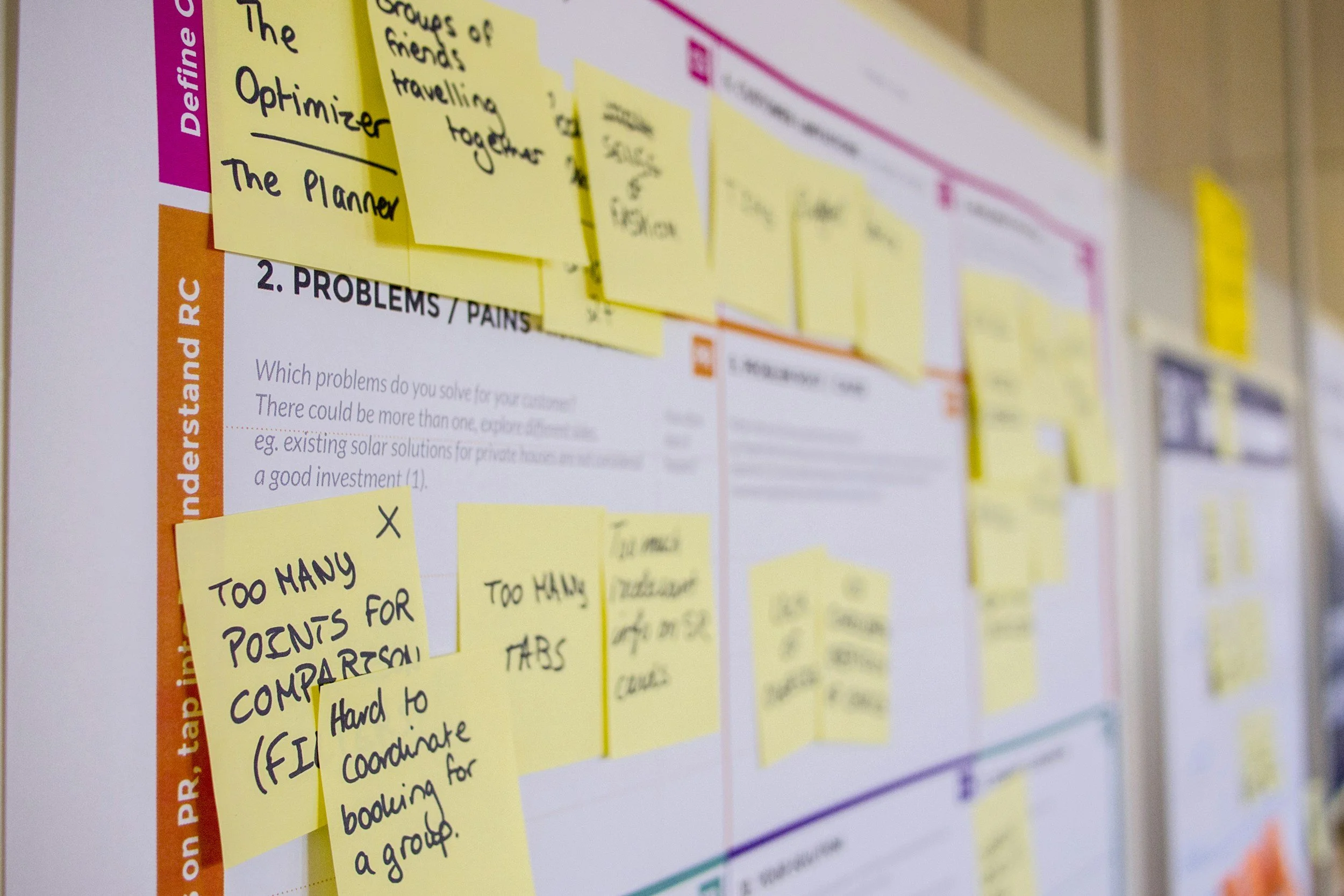
Automate the Workflow, Not the Role: Why AI Rollouts Need a Chief of Staff and a COO
Every founder wants AI to make the company faster. The people best placed to make it work are the ones who already know how the work runs.

Authenticity Isn't a "No AI Used" Label. It's Using Your Own Product.
An AI company labeling its own content "no AI used" won't prove it's human. Showing how its team uses the product will. Here's the trust signal most skip.

AI Didn’t Make Me Dumber. It Made Me the Strategist.
A colleague told me AI is making us all dumber. Here is a workflow I built last month, the six decisions the AI could not make, and a demo you can click.

Please Stop Putting AI in Everything (From a Pro-AI Operator)
I'm a giant believer in AI for operations. That's precisely why forced, bolted-on AI drives me up the wall. If a task takes thirty seconds and works, making it twenty-nine isn't efficiency — it's theater.

I Watched AI Come for My Job — So I Learned to Wield It
A field report from the messy, exhilarating middle of reinventing an operations career around AI.
There's a specific kind of quiet that settles over you when you realize the tools being built across your industry could do your job. Not help you do it better. Do it instead of you.
I felt that quiet a while back. I work in tech, in operations — the connective tissue that keeps a company actually running. And I watched the market lean toward tools that weren't really designed to make operational people faster or sharper, but to make them optional. When you spend your days close to how these tools get built, you start to notice the assumption baked into a lot of them: that the work of operations is mostly automatable. Sitting with that trajectory is a strange thing.
I could have spent that season being anxious about it, and some days I was. But somewhere in there I made a different decision, and it's the decision this whole article is really about: I decided I would rather out-learn the shift than wait to see where it left me.