

Fractional Was the On-Ramp. Full-Time Is the Destination.
Why the operator role keeps getting rented — and why the smartest founders eventually buy.
The fractional operations wave was one of the healthiest things to happen to growing companies in years. It let founders who couldn't yet justify a full executive hire get real operational leadership on a schedule they could afford. It worked. I've done it, and I've watched it change how companies run.
But I want to say something that cuts against my own business model: for a lot of companies, fractional was never the destination. It was the on-ramp — the thing that finally showed them the role was load-bearing.

AI-Augmented Operations: A Field Guide for Founders Scaling Past Early Stage
There's a moment in every growing company where the founder realizes the operating system they've been running on — the spreadsheets, the founder-in-the-loop approvals, the tribal knowledge living in three people's heads — has quietly stopped scaling.
The team is bigger. The compliance surface area is bigger. The customer base is bigger. And the founder is spending more time on operational maintenance than on the strategic moves that actually grow the business.
This is the moment when most founders start thinking about hiring an operator. It's also the moment when a lot of them get distracted by a different question: “Can AI just do this instead?”
The honest answer is more interesting than either yes or no.
AI cannot replace operations. But AI can — and should — fundamentally reshape what operations looks like inside a company scaling past early stage. The companies that figure this out get a multiplier on every dollar they spend on operations leadership. The companies that don't usually end up paying for the lesson twice.
This guide is for founders trying to figure out the right way to integrate AI into their operations — without making the mistakes the early movers just made at scale.

Trust Is the Other Half of Structure: The Founder's Hardest Leap
In the last piece, I made the operational case for structure inside a flat organization. Clear roles. Mapped decision rights. Visible operating cadences. The argument was that good fences make good neighbors — that structure isn't the enemy of culture, it's the precondition for it.
But there's a part of that argument I deliberately left for a second piece, because it doesn't fit cleanly inside an operational frame.
Structure only works if leadership actually trusts the people inside it.
Without trust, even the cleanest org design becomes a more elegant form of micromanagement. You can map every role, document every decision right, run flawless operating cadences — and still squeeze the life out of the team if the founder or CEO can't bring themselves to let go.
For founders especially, that letting-go is the hardest part of the job. It's also the most strategic one.

Operations Isn’t the Back Office. It’s the Growth Strategy.
There’s a moment every growing company hits. Revenue is climbing, the team is expanding, and the CEO is busier than ever — yet somehow everything feels harder. Decisions stall. Hiring is reactive. Compliance is a someday problem. The founder is in every meeting because nothing moves without them.
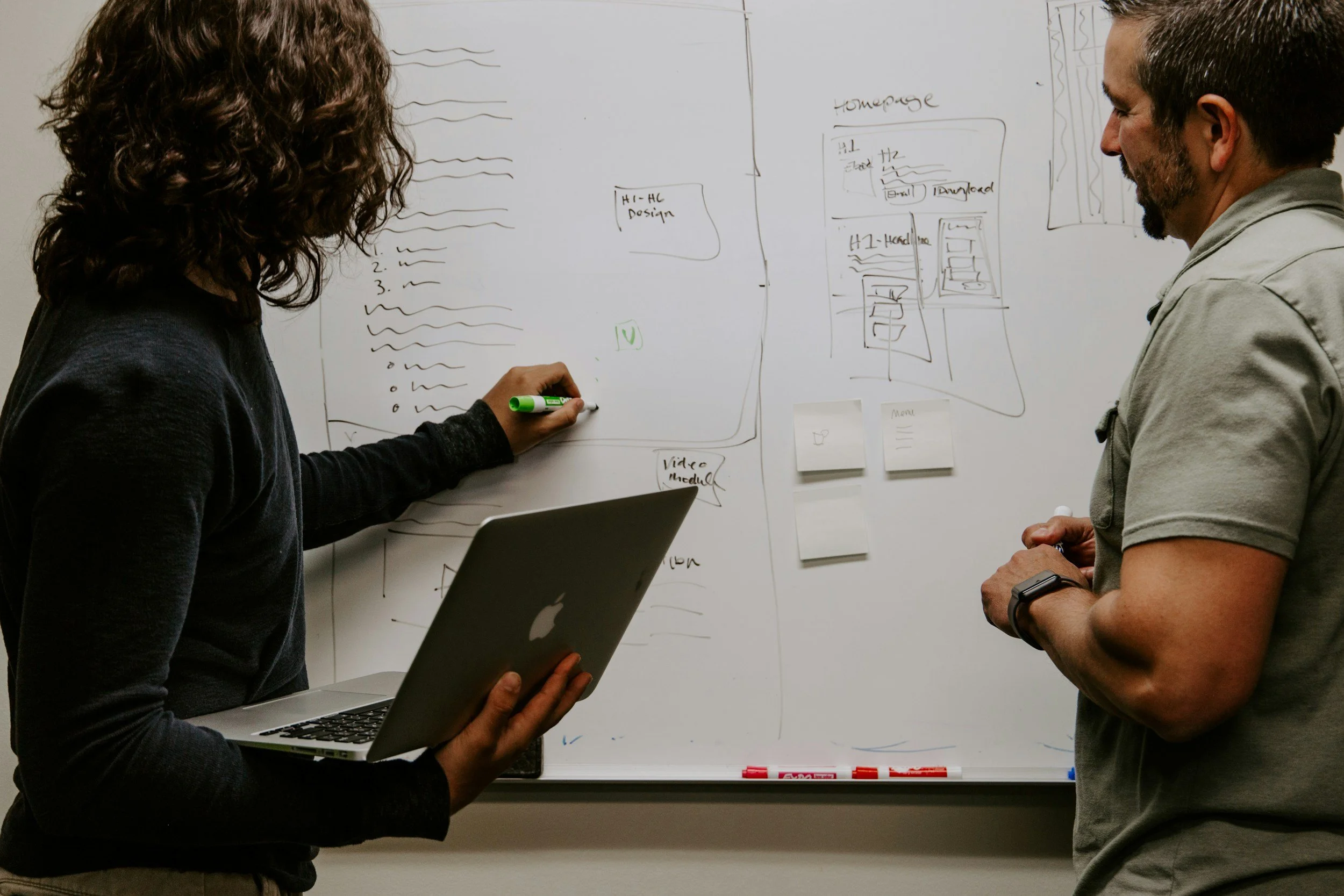
Why Operations Is the One Role AI Can't Replace — and Why Founders Keep Trying
There's an assumption baked into a lot of early-stage thinking right now: that the operations function — the people who keep the company running — is the next obvious target for AI replacement. Founders are looking at their org chart, seeing the cost of an experienced operator, and quietly wondering if they can skip the hire and let AI cover it.
I understand the temptation. The tooling is impressive. The economics look good on paper. And there's no shortage of voices on LinkedIn telling founders that "ops is the first to go."
It isn't. And the companies finding that out the hard way are already starting to reverse course.
This is the piece I want every founder scaling past early stage to read before they make a workforce decision they'll spend a year unwinding.